
Recovery through movement is one of the most effective — and most overlooked — parts of getting better. When you’re in pain, lying down and letting someone fix you feels like the right call. And honestly, passive care like adjustments, soft tissue therapy, and heat packs has its place. But if you want to fix the root of the problem, you can’t just be a passenger on your own journey.
But as a chiropractor, it’s my duty to remind my patients that if you really want to fix the root of the problem you can’t just be a passenger on your own journey. You are a part of the process! That’s where movement (particularly exercising) comes in aka the active approach.
But Wait, What’s The Difference?
To keep it simple:
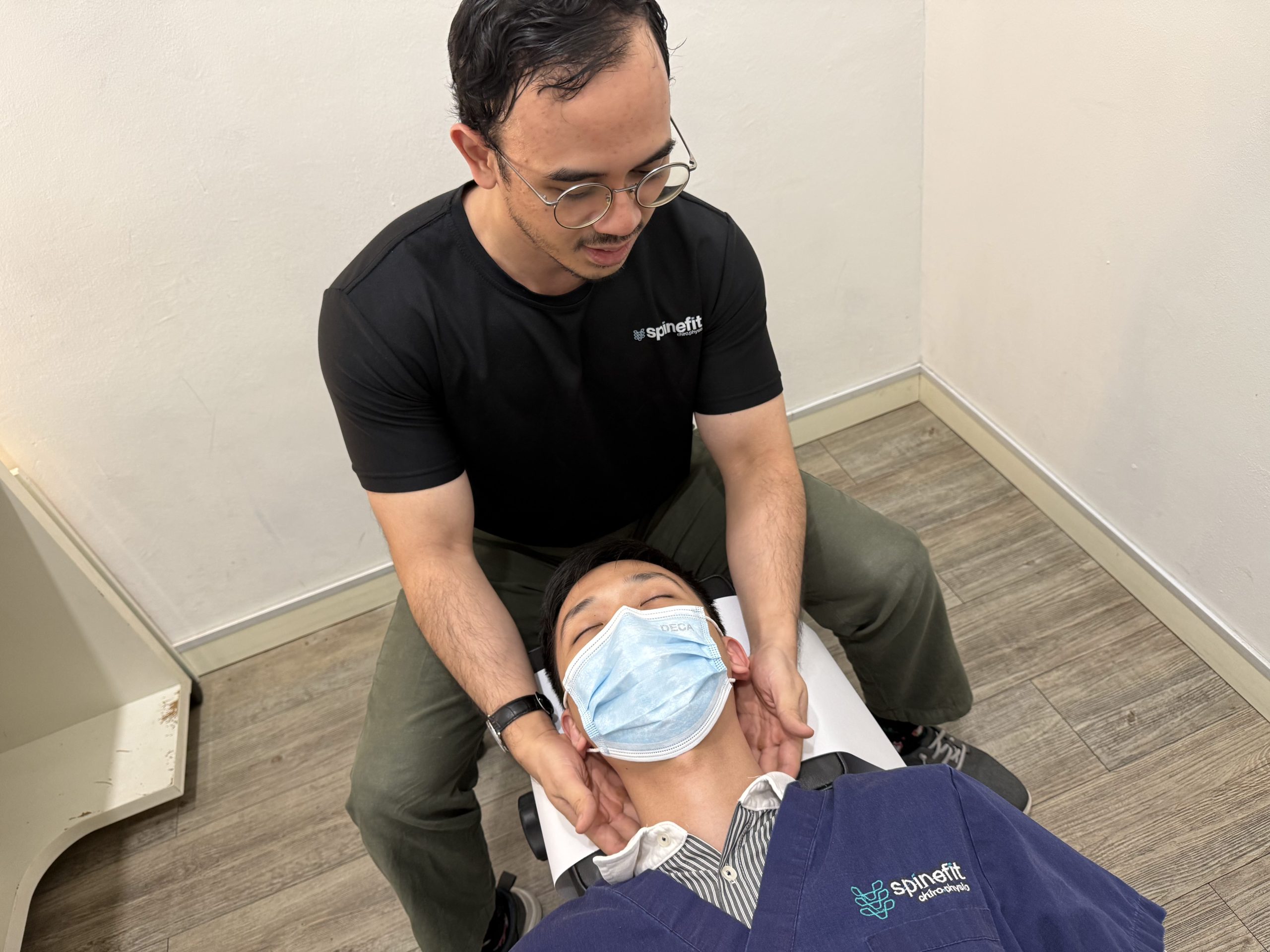
Passive Care – the things I do for you such as chiropractic adjustments, soft tissue therapy, heat therapy, modalities (ie shockwave). These help give quick relief and set the stage for your next which is…
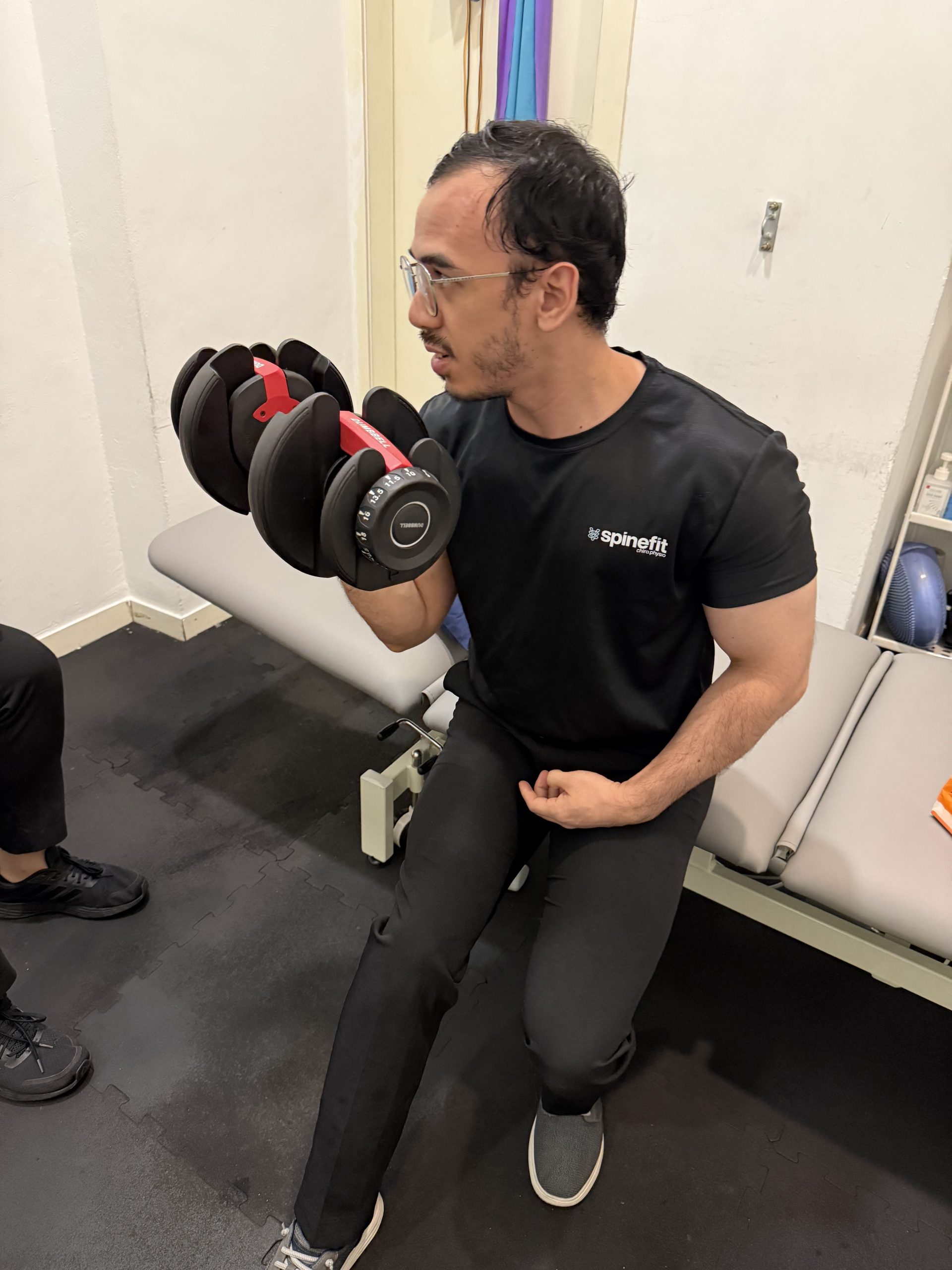
Active Care – The things you should do – exercise therapy such as stretching, strength training, posture changes, even the simplest thing such as daily walking can count! This is the stage where together, we’ll get your body to learn, adapt and get stronger!
Why I Always Recommend An Active Approach
- It speeds up recovery — a lot
Daily movement helps clear stiffness and inflammation far more effectively than complete rest. When you move, you increase blood flow to the affected area, which delivers the nutrients your tissues need to repair. Rest has its place in the early stages, but staying still for too long actually slows the process down. - It reduces the chances of your pain coming back
This is the big one. The latest research shows that a combined approach — passive chiropractic care plus active rehabilitation — consistently outperforms passive treatment alone for long-term outcomes. Relief is one thing. Staying out of pain is another. - It builds real confidence
With an active approach, you’re not just waiting for the pain to go away. You’re building a body that can handle more. Patients who engage with active care tend to feel stronger, move better, and worry less about re-injury. That shift in mindset is just as important as the physical progress. - It puts you in control
Pain can feel like something that’s happening to you. Active recovery changes that dynamic. Even small, consistent steps — a few minutes of daily stretching, a short walk, some simple strengthening exercises — add up quickly and give you a sense of ownership over your own recovery.
How I Work With My Patients
- I use passive care to calm things down so they can move more comfortably without discomfort,
- As soon as they’re ready, I guide them into active care. Simple, effective, and safe movements to rebuild strength, stability, and confidence!
- Finally, we build a plan that works for you and your lifestyle so that you get better and stay better
This is recovery through movement in practice.
Recovery Through Movement — Some Takeaways
Recovery through movement starts with small, consistent steps. Passive treatments are amazing for giving you relief but they’re just the beginning. I know everyone wants long-term results, therefore movement and exercise must be a part of the plan. Even small but consistent steps, like a few minutes of daily stretching or a few squats a day can completely change your recovery.
At the end of the day, I don’t just want you to feel better, but I want to help you live better! To help you keep living your life to the fullest without being held back by pesky pain.
Recovery through movement isn’t about pushing through pain. It’s about working with your body, not against it. That’s how lasting results happen!
Written by Mohamad Syahmie Sabri, Associate Chiropractor